
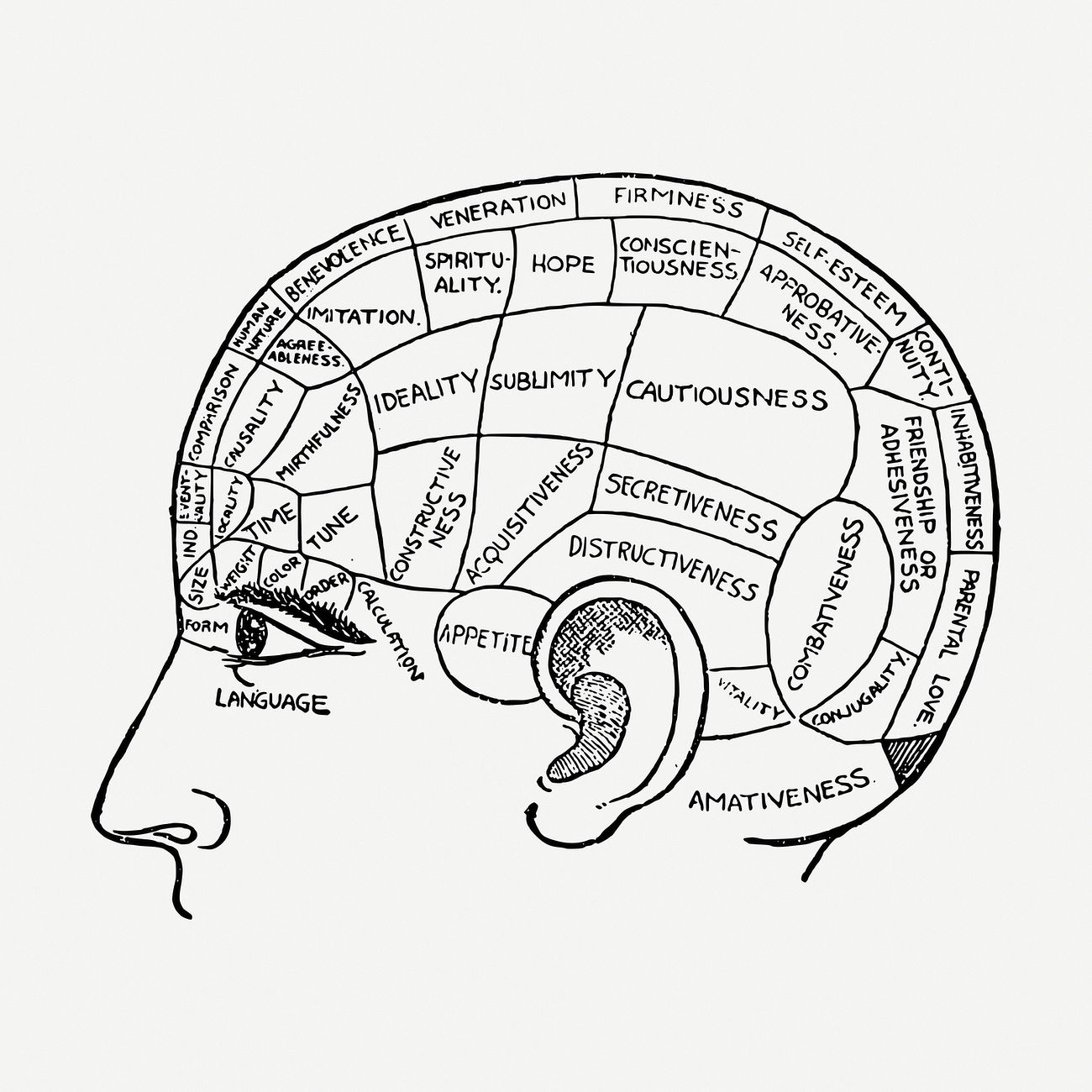
Islam and neuroaesthetics

introduce neuroaesthetics in detail

Neuroaesthetics is an emerging interdisciplinary field that seeks to understand the neural basis of aesthetic experience and artistic creativity. It involves the integration of neuroscience, psychology, and the arts to explore how the brain processes and responds to visual, auditory, and other sensory stimuli that are typically associated with aesthetic experiences.

The field of neuroaesthetics emerged in the late 1990s, with the publication of seminal papers by neuroscientists Semir Zeki and V.S. Ramachandran. These researchers used brain imaging techniques, such as functional magnetic resonance imaging (fMRI), to study the neural responses of individuals to visual stimuli such as paintings, sculptures, and architecture.

Since then, research in neuroaesthetics has expanded to include other areas of the arts, including music, dance, and literature. It has also explored questions related to the evolutionary and cultural origins of aesthetic preferences, and the potential therapeutic uses of art for individuals with neurological or psychiatric conditions.

Some of the key questions addressed by neuroaesthetics research include:

  • How do aesthetic experiences influence brain activity, and what are the neural mechanisms underlying these effects?
  • What are the neural correlates of different aesthetic qualities, such as beauty, symmetry, and complexity?
  • How do cultural and individual differences influence aesthetic preferences and responses?
  • How does exposure to art and aesthetic experiences influence brain development and plasticity?
  • How can art be used as a tool for therapy and rehabilitation, particularly for individuals with conditions such as Parkinson’s disease, stroke, and depression?

Overall, neuroaesthetics represents a promising area of research that has the potential to deepen our understanding of the complex relationship between the brain and the arts.

spirituality and neuroaesthetics

Spirituality and neuroaesthetics are two interconnected fields that explore the relationship between human experience, perception, and the brain. While neuroaesthetics is focused on the neural mechanisms underlying aesthetic experiences and artistic creativity, spirituality is concerned with the exploration of human consciousness, meaning, and transcendence.

Recent research in neuroaesthetics has shown that certain types of aesthetic experiences, such as awe-inspiring landscapes or moving works of art, can elicit feelings of transcendence and spiritual awe. These experiences have been associated with increased activity in brain regions involved in reward processing, emotion regulation, and attention, such as the prefrontal cortex, amygdala, and insula.

Furthermore, some studies suggest that exposure to art and aesthetic experiences may have therapeutic benefits for individuals struggling with depression, anxiety, or other mental health conditions. This may be related to the ability of art to evoke emotional responses and provide a sense of meaning and purpose.

In some spiritual traditions, the practice of contemplative art, such as painting, calligraphy, or music, is seen as a means of connecting with the divine and cultivating inner peace and harmony. These practices may also have a neurobiological basis, as research has shown that activities such as meditation and mindfulness can modulate brain activity and promote feelings of well-being and spiritual insight.

Overall, while the relationship between spirituality and neuroaesthetics is complex and multifaceted, both fields share a common interest in understanding the relationship between human experience, perception, and the brain. Further research in this area may shed light on the neural mechanisms underlying transcendent experiences and provide new insights into the therapeutic potential of the arts.

Islam and neuroaesthetics

Islam is a religion that places great emphasis on the arts and aesthetics, particularly in the context of religious practice and ritual. Islamic art and architecture are renowned for their intricate geometric patterns, calligraphy, and use of light and color to create a sense of spiritual transcendence and beauty.

In recent years, some scholars have explored the potential connections between Islamic spirituality and neuroaesthetics. One area of focus has been the concept of “Ihsan” in Islam, which refers to the state of spiritual excellence and beauty that can be achieved through the practice of prayer and meditation. Ihsan is often associated with the experience of “Tajalli,” or divine illumination, which can be understood as a type of aesthetic experience that involves a sense of transcendence and awe.

Some researchers have proposed that the practice of Islamic prayer and meditation may have neurobiological effects that promote states of transcendence and aesthetic experience. For example, one study conducted in Iran found that individuals who regularly performed Islamic prayer had increased activity in brain regions associated with attention, emotion regulation, and self-awareness.

Another area of interest has been the potential therapeutic benefits of Islamic art and aesthetics for individuals with mental health conditions. Some studies have shown that exposure to Islamic art, such as the intricate patterns found in traditional Islamic architecture, can have a calming and restorative effect on the brain and may help reduce symptoms of anxiety and depression.

Overall, while the relationship between Islam and neuroaesthetics is an area of ongoing research, there is growing interest in exploring the potential connections between Islamic spirituality and the neural mechanisms underlying aesthetic experience and artistic creativity.

Consciousness and magnetic psychophysics

magnetic psychophysics

Magnetic psychophysics is a field of study that investigates the relationship between magnetic fields and the subjective experiences of living organisms. It is a relatively new area of research that has emerged in response to growing evidence that magnetic fields can affect the behavior, cognition, and health of organisms.

One important concept in magnetic psychophysics is magnetoreception, which refers to the ability of organisms to sense and respond to magnetic fields. Magnetoreception has been observed in a wide range of organisms, including birds, fish, insects, and mammals, and it is thought to play a role in navigation, migration, and orientation.

Another important concept in magnetic psychophysics is the neural basis of magnetoreception. Researchers have identified a number of brain regions and neural circuits that are involved in processing magnetic information, including the visual, auditory, and olfactory systems.

Magnetic psychophysics also investigates how magnetic fields can affect the behavior and health of organisms. For example, studies have shown that exposure to magnetic fields can affect sleep, memory, and mood in humans, and can disrupt the migration and navigation of birds and fish. Researchers are also exploring the potential therapeutic applications of magnetic fields in treating various medical conditions, such as depression, Parkinson’s disease, and chronic pain.

Overall, magnetic psychophysics is a growing field that highlights the importance of considering the role of magnetic fields in the biology and psychology of living organisms.

consciousness and magnetic psychophysics

The relationship between consciousness and magnetic psychophysics is an area of ongoing research and speculation. While there is no definitive evidence that magnetic fields directly influence consciousness, there are several lines of research that suggest that there may be a connection.

One area of research is the role of magnetic fields in brain function. Magnetic fields can be used to noninvasively stimulate or inhibit neurons in the brain, a technique known as transcranial magnetic stimulation (TMS). Studies using TMS have shown that magnetic fields can affect a wide range of cognitive processes, including perception, attention, memory, and decision-making. While the precise mechanisms underlying these effects are not yet fully understood, they suggest that magnetic fields may play a role in modulating the neural activity that gives rise to consciousness.

Another area of research is the relationship between magnetic fields and altered states of consciousness. Some studies have shown that exposure to magnetic fields can induce changes in brain activity that are similar to those observed during meditation or other altered states of consciousness. While the significance of these findings is still under investigation, they suggest that magnetic fields may have the potential to modulate consciousness in some way.

Finally, some researchers have speculated that magnetic fields may play a role in the emergence of consciousness itself. It has been suggested that the electromagnetic activity in the brain may be intimately tied to the subjective experience of consciousness, and that magnetic fields could be a key factor in this process. However, this hypothesis remains speculative, and much more research is needed to determine the relationship between magnetic fields and consciousness.

Islam and transculturalism

transcultural science

Transcultural science refers to the study of cultural phenomena and their interactions across different cultures, with a focus on understanding and bridging cultural differences. It encompasses a range of disciplines, including anthropology, sociology, psychology, and communication studies.

Transcultural science recognizes that cultures are not static and unchanging, but rather constantly evolving and adapting. It seeks to understand the complex ways in which cultures influence each other and how individuals navigate and negotiate their identities within and across cultures.

Research in transcultural science has practical applications in fields such as healthcare, education, business, and international relations. For example, understanding cultural differences in healthcare practices and beliefs can improve patient outcomes and reduce healthcare disparities. Similarly, knowledge of cultural differences in communication styles and negotiation strategies can facilitate successful business partnerships and international collaborations.

Overall, transcultural science is a multidisciplinary field that aims to promote cross-cultural understanding and foster communication and cooperation across different cultures.

spiritual transculturalism

Spiritual transculturalism refers to the exploration and integration of spiritual practices, beliefs, and experiences across different cultures and traditions. It recognizes that spirituality is a fundamental aspect of human experience and that different cultures have developed unique and diverse ways of understanding and practicing spirituality.

Spiritual transculturalism seeks to promote intercultural understanding and respect for diverse spiritual traditions, while also acknowledging the commonalities that exist across different faiths and belief systems. It recognizes that spiritual experiences can transcend cultural and societal boundaries, and that individuals can draw inspiration and insight from a variety of spiritual traditions.

Practicing spiritual transculturalism can involve participating in interfaith dialogues, attending spiritual retreats or gatherings that bring together people from different cultures, or incorporating practices from different spiritual traditions into one’s personal spiritual practice.

Spiritual transculturalism is not about blending or diluting different spiritual traditions, but rather about honoring and respecting the unique cultural and spiritual heritage of each tradition while seeking common ground and shared understanding. It can be a powerful tool for promoting peace, harmony, and understanding in a world that is increasingly interconnected and diverse.

transcultural philosophy

Transcultural philosophy refers to the study of philosophical concepts and ideas across different cultural and geographical contexts. It recognizes that different cultures have unique ways of approaching fundamental philosophical questions, such as the nature of reality, the meaning of life, and the role of ethics and morality.

Transcultural philosophy seeks to identify and compare similarities and differences between different philosophical traditions, and to promote a more inclusive and diverse understanding of philosophy. It acknowledges that philosophical ideas are shaped by cultural and historical contexts, and that by studying different philosophical traditions, we can gain a more nuanced and comprehensive understanding of human thought and experience.

Practicing transcultural philosophy can involve engaging in comparative philosophical analysis, studying and interpreting philosophical texts from different cultural traditions, or exploring the ways in which philosophy has been shaped by colonialism, globalization, and other historical and cultural forces.

Transcultural philosophy is not about creating a universal or homogenized philosophy, but rather about recognizing and celebrating the diversity of human thought and experience. It can help us to overcome ethnocentric biases and to cultivate a more open-minded and inclusive approach to philosophical inquiry.

The interaction of Islam, transcultural science, transcultural philosophy and transcultural spirituality

The interaction of Islam, transcultural science, transcultural philosophy, and transcultural spirituality can be multifaceted and complex. Islam, as a religion and a cultural tradition, has had a significant impact on the development of transcultural thought and practice throughout history.

Transcultural science can help to promote a deeper understanding of the cultural and religious diversity within the Islamic world, as well as to explore the ways in which Islam has interacted with other cultural and religious traditions. It can also help to identify and address the social, economic, and political factors that influence the experiences of Muslim communities across the world.

Transcultural philosophy can help to promote a more nuanced and inclusive approach to Islamic philosophy and thought, and to recognize the ways in which Islamic philosophy has interacted with and influenced other philosophical traditions. It can also help to identify and address the cultural biases and assumptions that can influence our understanding of Islamic thought and practice.

Transcultural spirituality can help to promote a deeper understanding and appreciation of the spiritual traditions within Islam, as well as to explore the ways in which Islamic spirituality has influenced and been influenced by other spiritual traditions. It can also help to identify and address the cultural and historical factors that have shaped Islamic spirituality and practice.

Overall, the interaction of Islam, transcultural science, transcultural philosophy, and transcultural spirituality can promote a more inclusive and comprehensive approach to understanding the diverse cultural and religious traditions of the world. It can help to break down cultural barriers and promote greater understanding, respect, and harmony between different cultures and religions.

Qalb studies and quantum neurocardiology

quantum neurocardiology

Quantum neurocardiology is an emerging field of study that seeks to understand the relationship between the heart, the brain, and quantum physics. The field suggests that the heart, in addition to its function as a pumping organ, may also serve as a complex information processing center that communicates with the brain and other organs through electromagnetic fields.

The heart has its own nervous system, known as the “intrinsic cardiac nervous system,” which contains neurons and neurotransmitters that allow it to function independently of the brain. Studies have shown that the heart’s electromagnetic field is much stronger than that of the brain, and that it can influence the brain’s electrical activity and even affect cognition and emotion.

Quantum physics principles suggest that particles can exist in multiple states simultaneously and can be entangled, meaning that the state of one particle can influence the state of another regardless of the distance between them. Some researchers suggest that this entanglement may occur between the heart and the brain, allowing for a kind of “quantum communication” that influences physiological and cognitive processes.

While the field of quantum neurocardiology is still in its early stages, it has the potential to offer new insights into the complex relationship between the heart, the brain, and the mind. However, more research is needed to fully understand the implications of these findings and their practical applications in medicine and mental health.

Quantum neurocardiology is still a relatively new and developing field, and there is much that is still unknown about the relationship between the heart, the brain, and quantum physics. However, some potential implications of this field could include:

  1. New methods of diagnosis and treatment: If the heart is shown to be more involved in information processing than previously thought, this could lead to new ways of diagnosing and treating cardiovascular and neurological disorders.
  2. Holistic approach to health: Understanding the complex interplay between the heart, the brain, and the body’s electromagnetic fields could lead to a more holistic approach to health that addresses both physical and mental health concerns.
  3. Development of new technologies: Researchers in this field are exploring the use of technology to measure and manipulate the heart’s electromagnetic field, which could lead to the development of new medical and therapeutic devices.
  4. Improved understanding of consciousness: Some researchers in the field of quantum neurocardiology suggest that the heart may be involved in the production of consciousness, which could lead to a deeper understanding of this elusive phenomenon.

Overall, the field of quantum neurocardiology has the potential to offer new insights into the complex relationship between the heart, the brain, and the mind, and could lead to new approaches to diagnosis, treatment, and overall health and wellbeing. However, much more research is needed before the full implications of this field can be understood.

quantum neurocardiology and philosophy

Quantum neurocardiology has implications for philosophy, particularly in the areas of consciousness and the mind-body problem.

The mind-body problem is the question of how the mind (or consciousness) relates to the physical body. Quantum neurocardiology offers a potential solution to this problem by suggesting that the heart, which has its own complex information processing capabilities, may play a role in the production of consciousness. This view challenges the traditional Cartesian dualism, which posits that the mind and body are separate entities, and instead suggests that they are intimately connected.

In addition, the idea of the heart as a complex information processing center also challenges the traditional view of the heart as simply a pumping organ. This has implications for philosophical discussions on the nature of the self and personal identity.

Furthermore, the concept of entanglement in quantum physics, which suggests that the state of one particle can influence the state of another regardless of distance, raises questions about the nature of causality and determinism. This has implications for philosophical discussions on free will and determinism.

Overall, quantum neurocardiology has the potential to offer new perspectives on philosophical questions related to the mind-body problem, consciousness, personal identity, and causality, among others.

quantum neurocardiology and spirituality

Quantum neurocardiology has implications for spirituality and the study of consciousness.

Many spiritual traditions emphasize the importance of the heart in spiritual practice and the cultivation of compassion, empathy, and love. Quantum neurocardiology suggests that the heart is more than just a physical organ, and that it may play a role in the production of consciousness and the mind-body connection.

Some researchers in the field suggest that the heart’s electromagnetic field can interact with the quantum fields that permeate the universe, potentially leading to experiences of transcendence, interconnectedness, and spiritual experiences. This view challenges the traditional materialist worldview that only physical matter exists and suggests that consciousness and spirituality are more than just products of the brain.

Furthermore, the concept of entanglement in quantum physics, which suggests that particles can be connected across vast distances, has implications for spiritual ideas about interconnectedness and oneness.

Overall, the field of quantum neurocardiology offers potential insights into the relationship between the heart, the brain, and consciousness, which can have implications for spiritual practice and the study of spiritual experiences. However, more research is needed to fully understand the implications of these findings.

Islam and neurocardiology

Islam is a religion that emphasizes the importance of the heart in spiritual practice and the cultivation of moral virtues. Islamic teachings refer to the heart as the center of the soul, the source of human consciousness, and the place where one’s connection to God is established.

Neurocardiology, which studies the relationship between the heart and the brain, may have implications for Islamic spirituality and the study of the heart in Islam. Some Islamic scholars and thinkers have explored the potential connections between Islamic teachings and neurocardiology.

For example, some have suggested that the heart’s electromagnetic field can be influenced by spiritual practices such as prayer, meditation, and remembrance of God (dhikr), and that this can have a positive impact on mental and physical health. Others have explored the concept of heart coherence, which refers to the synchronization between the heart’s electromagnetic field and the brain’s activity, and its potential role in spiritual experiences and the cultivation of moral virtues.

Furthermore, the concept of entanglement in quantum physics, which suggests that particles can be connected across vast distances, has been explored in Islamic spirituality, particularly in the concept of tawhid, which emphasizes the unity and interconnectedness of all things in the universe.

Overall, while there is still much to be explored and understood about the relationship between Islam and neurocardiology, some Islamic thinkers and scholars have begun to explore the potential connections between these fields, which can offer new insights into the importance of the heart in Islamic spirituality and the cultivation of moral virtues.

Muslims on Mars

Space psychology, race relations, and multiculturalism are three distinct but interrelated topics that have gained significant attention in recent years.

Space psychology is the study of the human psychological and behavioral aspects of space travel, including the effects of microgravity, isolation, confinement, and other space-related factors on the mental health and well-being of astronauts. This field is of growing importance as space exploration and colonization become more common and may have implications for long-duration space missions such as those planned for Mars.

Race relations refer to the interactions and relationships between people of different racial and ethnic backgrounds. In recent years, issues related to race and racism have become increasingly prominent in public discourse, particularly in the wake of social movements such as Black Lives Matter. Understanding and addressing issues related to race relations is crucial for building a more equitable and just society.

Multiculturalism refers to the coexistence of multiple cultures within a single society or community. Multiculturalism recognizes the unique cultural backgrounds and identities of different groups and seeks to promote inclusivity, diversity, and understanding. It is an important concept in promoting social cohesion and combating discrimination and prejudice.

These three topics intersect in various ways, such as the impact of cultural backgrounds and diversity on space missions, the need to address issues of diversity and inclusion in the selection of astronauts and space personnel, and the importance of understanding the cultural factors that shape our perceptions of race and ethnicity. Overall, the study and application of space psychology, race relations, and multiculturalism are essential for creating a more harmonious and equitable world.

write a story about it

Once upon a time, in a not-too-distant future, humans had colonized Mars. The first settlers had arrived several years earlier, and the colony had grown to a sizeable community. The inhabitants were diverse, coming from different countries, cultures, and backgrounds. They worked together to build their new home on the Red Planet, but despite their shared goals, they had different experiences and perspectives.

One day, a group of psychologists arrived at the Mars colony to conduct a study on space psychology. They wanted to understand how the astronauts were coping with the psychological and behavioral challenges of living in space. The team consisted of experts from different countries, cultures, and ethnicities, reflecting the diversity of the Mars colony.

As the psychologists began their research, they realized that the cultural differences among the inhabitants of the colony were more significant than they had anticipated. Some people were used to communal living, while others preferred more privacy. Some found the harsh environment of Mars exhilarating, while others struggled to adapt. The psychologists discovered that cultural differences played a crucial role in how people reacted to the challenges of space travel.

At the same time, the psychologists also noticed that there were tensions between some groups in the colony. The people from some cultures tended to stick together, while others found it difficult to integrate. The psychologists realized that issues related to race and ethnicity were affecting the harmony and cohesion of the community.

As the study progressed, the psychologists came up with a plan to address these issues. They organized workshops and discussions to help people understand and appreciate each other’s cultural backgrounds. They also worked with the colony leaders to implement policies that promoted diversity and inclusion. The psychologists even organized cultural events, where people could share their food, music, and traditions.

Over time, the efforts of the psychologists paid off. People began to understand and respect each other’s cultural differences, and the colony became more cohesive and harmonious. The Mars colony became a shining example of multiculturalism, where people from different backgrounds lived and worked together towards a common goal.

The psychologists realized that their study had uncovered important insights into space psychology, race relations, and multiculturalism. They shared their findings with other space agencies, and soon, similar initiatives were being implemented on other colonies and space missions.

In the end, the Mars colony thrived, and the people who lived there were proud of their accomplishments. They had learned that diversity was not a liability, but a strength, and that by working together, they could overcome any challenge, no matter how daunting. The story of the Mars colony became a symbol of hope for humanity, a testament to the power of cultural understanding and cooperation.

continue in the context of Muslim astronauts

As the Mars colony continued to thrive, it was decided that a new team of astronauts would be sent to the Red Planet. Among the new recruits were several Muslim astronauts, who came from different countries and backgrounds. They were excited to be a part of the mission, but they also faced unique challenges.

Being Muslim in space was not easy. They had to find ways to observe their religious practices, such as praying five times a day and fasting during Ramadan, despite the rigors of space travel. They also had to deal with the perceptions and stereotypes that some of their non-Muslim colleagues held about Islam.

The Muslim astronauts decided to approach the psychologists for help. They explained their concerns and asked for advice on how to address these issues. The psychologists recognized the importance of the Muslim astronauts’ concerns and started to work with them to find solutions.

They organized workshops and discussions, where the Muslim astronauts could share their experiences and talk about their religious practices. They also worked with the other astronauts and the mission leaders to ensure that the Muslim astronauts had access to the resources they needed to observe their religious practices in space.

The psychologists also helped the Muslim astronauts to raise awareness about Islam among their colleagues. They organized cultural events, where the Muslim astronauts could share their food, music, and traditions. They invited scholars and experts to give talks on Islam and its contributions to science and culture.

Over time, the Muslim astronauts became more integrated into the Mars colony. They found ways to observe their religious practices and share their cultural heritage, while also contributing to the mission’s success. They became ambassadors for Islam and showed that being Muslim did not have to be a barrier to space travel.

The Mars mission became a shining example of multiculturalism, where people from different cultures and religions worked together towards a common goal. The Muslim astronauts became role models for young Muslims around the world, inspiring them to pursue careers in science and space exploration.

In the end, the Mars mission was a success, thanks to the efforts of all the astronauts, including the Muslim astronauts. They had shown that diversity and inclusion were essential for achieving great things and that understanding and respecting each other’s differences could lead to a more harmonious and prosperous future for all of humanity.

Eid reunions and family systems therapy

Once upon a time, in a faraway land, there lived a nomadic tribe that roamed across the vast valleys and treacherous mountains. Despite the challenges of their nomadic lifestyle, the tribe was bound together by their strong familial ties and their deep sense of community.

Every year, during the holy festival of Eid, the tribe would gather for a joyous reunion. They would set up camp in a lush valley, surrounded by towering mountains, and celebrate the festival with feasting, dancing, and storytelling.

During one such Eid reunion, the tribe’s wise elder, a respected man named Khalid, called upon the members of the tribe to come together. He spoke of the importance of family and community, and of the need for every member of the tribe to work together for the common good.

Khalid reminded the tribe of the wisdom of their ancestors, who believed in the interconnectedness of all things, and that the actions of one member of the tribe would have an impact on everyone else.

He went on to explain that family systems therapy was a powerful tool that could help the tribe to improve their relationships and work together more effectively. He suggested that the tribe invite a trained therapist to their next reunion, to help them address any issues that may be causing conflict within the tribe.

The tribe was hesitant at first, as they had never heard of such a thing before. However, they trusted in the wisdom of their elder and agreed to give it a try.

At the next Eid reunion, the tribe welcomed a family systems therapist who helped them to identify areas of conflict and tension within the tribe. Through open communication and collaboration, the therapist guided the tribe towards finding solutions and building stronger relationships.

Over time, the tribe noticed a remarkable change in their dynamics. They became more open and communicative with one another, and conflicts were resolved more easily. The tribe found that they were able to work together more effectively, which in turn strengthened their sense of community and their ability to survive and thrive in the challenging mountainous terrain.

In the end, the tribe realized that the teachings of their ancestors had been true all along – that every member of the tribe was connected, and that by working together, they could overcome any obstacle. The Eid reunion had not only brought the tribe together in celebration but had also taught them the importance of family systems therapy in building a stronger and more harmonious community, regardless of the landscapes they traversed.

rewrite for a city reunion

Once upon a time, in a bustling city, there lived a large and diverse community of families. Despite the fast-paced nature of city life, the families remained connected through their shared cultural traditions and values.

Every year, during the holy festival of Eid, the families would come together for a joyous reunion. They would gather in a central location, usually a park or community center, and celebrate the festival with food, music, and laughter.

During one such Eid reunion, a respected community leader named Khalid spoke to the families about the importance of family and community. He reminded them of the teachings of their ancestors, who had emphasized the interconnectedness of all people and the importance of working together for the common good.

Khalid went on to explain that family systems therapy was a powerful tool that could help families to improve their relationships and work together more effectively. He suggested that families consider seeking the help of a trained therapist if they were struggling with any issues within their family dynamics.

At first, some families were hesitant about the idea of therapy, as it was not something they were familiar with. However, as Khalid spoke more about the benefits of therapy, more families began to consider it as a viable option.

Over time, families began to seek the help of family systems therapists and found that it greatly improved their relationships with one another. They learned to communicate more openly and work together to overcome any challenges that arose.

At the next Eid reunion, the families noticed a significant shift in the overall dynamic of the community. They felt closer to one another and more connected, as they had learned to value the importance of family and community support.

In the end, the community realized that the teachings of their ancestors had been true all along – that every member of the community was connected, and that by working together, they could overcome any obstacle. The Eid reunion had not only brought the community together in celebration but had also taught them the importance of family systems therapy in building a stronger and more harmonious community in the bustling city.

ایک زمانے میں، ایک دور دراز ملک میں، ایک خانہ بدوش قبیلہ رہتا تھا جو وسیع وادیوں اور غدار پہاڑوں میں گھومتا تھا۔ ان کے خانہ بدوش طرز زندگی کے چیلنجوں کے باوجود، قبیلہ ان کے مضبوط خاندانی رشتوں اور برادری کے ان کے گہرے احساس سے جڑا ہوا تھا۔

ہر سال، عید کے مقدس تہوار کے دوران، قبیلہ ایک خوشی کے دوبارہ ملاپ کے لیے جمع ہوتا تھا۔ وہ ایک سرسبز وادی میں کیمپ لگاتے، جس کے چاروں طرف بلند و بالا پہاڑوں سے گھرا ہوا تھا، اور اس تہوار کو دعوت، کہانی سنانے کے ساتھ مناتے تھے۔

ایسے ہی ایک عید کے دوبارہ اتحاد کے دوران، قبیلے کے دانشمند بزرگ، خالد نامی ایک معزز شخص نے قبیلے کے ارکان کو اکٹھے ہونے کی دعوت دی۔ انہوں نے خاندان اور برادری کی اہمیت اور قبیلے کے ہر فرد کو مشترکہ بھلائی کے لیے مل کر کام کرنے کی ضرورت پر بات کی۔

خالد نے قبیلے کو ان کے آباؤ اجداد کی حکمت یاد دلائی، جو تمام چیزوں کے باہم مربوط ہونے پر یقین رکھتے تھے، اور یہ کہ قبیلے کے ایک فرد کے اعمال کا اثر باقی سب پر پڑے گا۔

انہوں نے مزید وضاحت کی کہ فیملی سسٹمز تھراپی ایک طاقتور ٹول ہے جو قبیلے کو اپنے تعلقات کو بہتر بنانے اور مل کر کام کرنے میں زیادہ مؤثر طریقے سے مدد کر سکتا ہے۔ اس نے تجویز پیش کی کہ قبیلہ اپنے اگلے ری یونین کے لیے ایک تربیت یافتہ معالج کو مدعو کرے، تاکہ وہ کسی ایسے مسئلے کو حل کرنے میں ان کی مدد کرے جو قبیلے کے اندر تنازعات کا سبب بن سکتا ہے۔

قبیلہ پہلے تو ہچکچاہٹ کا شکار تھا، کیونکہ انہوں نے ایسی بات پہلے کبھی نہیں سنی تھی۔ تاہم، انہوں نے اپنے بزرگ کی حکمت پر بھروسہ کیا اور اسے آزمانے پر اتفاق کیا۔

اگلی عید کے دوبارہ اتحاد پر، قبیلے نے خاندانی نظام کے معالج کا خیرمقدم کیا جس نے قبیلے کے اندر تنازعات اور تناؤ کے علاقوں کی نشاندہی کرنے میں ان کی مدد کی۔ کھلے مواصلات اور تعاون کے ذریعے، معالج نے حل تلاش کرنے اور مضبوط تعلقات استوار کرنے کے لیے قبیلے کی رہنمائی کی۔

وقت گزرنے کے ساتھ، قبیلے نے اپنی حرکیات میں نمایاں تبدیلی دیکھی۔ وہ ایک دوسرے کے ساتھ زیادہ کھلے اور بات چیت کرنے والے بن گئے، اور تنازعات زیادہ آسانی سے حل ہو گئے۔ قبیلے نے پایا کہ وہ زیادہ مؤثر طریقے سے مل کر کام کرنے کے قابل تھے، جس کے نتیجے میں ان کی برادری کے احساس اور چیلنجنگ پہاڑی خطوں میں زندہ رہنے اور ترقی کی منازل طے کرنے کی ان کی صلاحیت کو تقویت ملی۔

آخر میں، قبیلے نے محسوس کیا کہ ان کے آباؤ اجداد کی تعلیمات ہمیشہ سے سچی تھیں – کہ قبیلے کا ہر فرد جڑا ہوا تھا، اور یہ کہ مل کر کام کرنے سے، وہ کسی بھی رکاوٹ کو دور کر سکتے ہیں۔ عید کے دوبارہ اتحاد نے نہ صرف قبیلے کو جشن میں اکٹھا کیا تھا بلکہ اس نے انہیں ایک مضبوط اور زیادہ ہم آہنگ کمیونٹی کی تعمیر میں خاندانی نظام کے علاج کی اہمیت بھی سکھائی تھی، چاہے وہ کسی بھی مناظر سے گزرے ہوں۔

Islam and transcendental meditation

afterlife oriented transcendental mindfulness

Afterlife oriented transcendental mindfulness is a practice that uses mindfulness to explore the concept of the afterlife and transcend the limits of the physical world in order to achieve a deeper understanding of the nature of existence.

Through the practice of afterlife oriented transcendental mindfulness, individuals may use specific techniques, such as guided visualization or meditation, to enter a state of transcendent consciousness and explore the realm of the afterlife. This may involve visualizing the journey of the soul after death or connecting with the memory of deceased loved ones.

The practice of afterlife oriented transcendental mindfulness can be seen as a means of exploring the mystery of death and gaining a greater understanding of the nature of consciousness and the universe as a whole. By connecting with the energy of the afterlife, individuals may be able to transcend the limits of the physical world and access a deeper level of awareness and understanding.

Ultimately, the practice of afterlife oriented transcendental mindfulness can provide individuals with a greater sense of peace and comfort around the concept of death. By exploring the afterlife through mindfulness, individuals may feel more connected to the universe as a whole and have a deeper sense of their place in the world. They may be better able to cope with the loss of loved ones and find a greater sense of meaning and purpose in their own lives.

Islam and afterlife oriented transcendental mindfulness

Islam has a rich tradition of spiritual practices and beliefs related to the afterlife, including a belief in the existence of heaven and hell and a Day of Judgment in which all souls will be judged according to their deeds in life. Islamic spirituality also emphasizes the importance of developing a strong relationship with God through prayer, meditation, and other forms of worship.

In the Islamic tradition, there are various practices and beliefs that can be seen as related to afterlife-oriented transcendental mindfulness. For example, many Muslims practice dhikr, or the repetition of the names of Allah, as a form of mindfulness meditation. By focusing on the names and attributes of God, individuals may be able to enter a state of transcendent consciousness and connect with the divine energy of the universe.

Additionally, the Islamic practice of salat, or daily prayer, can be seen as a form of afterlife-oriented transcendental mindfulness. Through prayer, Muslims seek to connect with God and gain a deeper understanding of their place in the world. This may involve visualizing the journey of the soul after death and seeking God’s guidance and mercy in the afterlife.

In the Islamic tradition, the concept of the afterlife is intimately connected to the idea of the soul and the importance of cultivating a strong spiritual connection with God. Through the practice of afterlife-oriented transcendental mindfulness, Muslims may be able to deepen their understanding of the afterlife and develop a stronger relationship with God. By exploring the mysteries of the afterlife through mindfulness, individuals may be able to find greater peace and comfort in the face of the inevitability of death, and gain a deeper appreciation for the beauty and complexity of the universe as a whole.

اسلام اور بعد کی زندگی پر مبنی ماورائی ذہن سازی

اسلام میں روحانی طریقوں اور بعد کی زندگی سے متعلق عقائد کی ایک بھرپور روایت ہے، جس میں جنت اور جہنم کے وجود پر یقین اور قیامت کا دن بھی شامل ہے جس میں تمام ارواح کا فیصلہ زندگی میں ان کے اعمال کے مطابق کیا جائے گا۔ اسلامی روحانیت نماز، مراقبہ اور عبادت کی دیگر اقسام کے ذریعے خدا کے ساتھ مضبوط تعلق استوار کرنے کی اہمیت پر بھی زور دیتی ہے۔

اسلامی روایت میں، مختلف طرز عمل اور عقائد ہیں جن کا تعلق بعد کی زندگی پر مبنی ماورائی ذہن سازی سے دیکھا جا سکتا ہے۔ مثال کے طور پر، بہت سے مسلمان ذکر، یا اللہ کے ناموں کی تکرار، ذہن سازی کے مراقبہ کی ایک شکل کے طور پر کرتے ہیں۔ خدا کے ناموں اور صفات پر توجہ مرکوز کرنے سے، افراد ماورائی شعور کی حالت میں داخل ہو سکتے ہیں اور کائنات کی الہی توانائی سے جڑ سکتے ہیں۔

مزید برآں، نماز، یا روزانہ کی نماز کے اسلامی عمل کو بعد کی زندگی پر مبنی ماورائی ذہن سازی کی ایک شکل کے طور پر دیکھا جا سکتا ہے۔ نماز کے ذریعے، مسلمان خدا سے جڑنے اور دنیا میں اپنے مقام کے بارے میں گہری سمجھ حاصل کرنے کی کوشش کرتے ہیں۔ اس میں موت کے بعد روح کے سفر کا تصور کرنا اور بعد کی زندگی میں خدا کی رحمت کی تلاش شامل ہو سکتی ہے۔

اسلامی روایت میں، بعد کی زندگی کا تصور روح کے خیال اور خدا کے ساتھ ایک مضبوط روحانی تعلق قائم کرنے کی اہمیت سے گہرا تعلق رکھتا ہے۔ بعد کی زندگی پر مبنی ماورائی ذہن سازی کے عمل کے ذریعے، مسلمان بعد کی زندگی کے بارے میں اپنی سمجھ کو گہرا کرنے اور خدا کے ساتھ مضبوط رشتہ استوار کرنے کے قابل ہو سکتے ہیں۔ ذہن سازی کے ذریعے بعد کی زندگی کے اسرار کو تلاش کرنے سے، افراد موت کی ناگزیریت کے سامنے زیادہ سکون اور سکون حاصل کرنے کے قابل ہو سکتے ہیں، اور مجموعی طور پر کائنات کی خوبصورتی اور پیچیدگی کی گہری معرفت حاصل کر سکتے ہیں۔

A story about Quran 16:97 and euthymia/eudamonia

write a philosophical story about euthymia and eudaimonia

Once upon a time, there was a young woman named Sophia who lived in a small village at the foot of a mountain. Sophia had always been a curious and introspective person, and from a young age, she had been fascinated by the idea of happiness.

One day, she overheard two travelers discussing a philosophy called “eudaimonia,” which they described as the pursuit of a meaningful and fulfilling life. Sophia was intrigued and began to read everything she could find on the subject.

As she delved deeper into the concept of eudaimonia, Sophia discovered a related concept called “euthymia,” which referred to a sense of inner peace and tranquility. She realized that these two concepts were intimately connected, as one could not achieve eudaimonia without first achieving euthymia.

Determined to attain both of these states, Sophia decided to embark on a journey up the mountain, seeking guidance from the wise old hermit who lived at its summit. She climbed for days, encountering many obstacles along the way, but eventually reached the hermit’s cave.

The hermit welcomed Sophia warmly and listened attentively as she explained her quest for eudaimonia and euthymia. He smiled and nodded, then handed her a beautiful rosary and told her to carry it with her at all times.

Sophia was confused, wondering how a simple rosary could help her achieve her goals. But the hermit explained that the rosary was not miraculous, but rather symbolic of the qualities she would need to cultivate within herself to achieve euthymia and eudaimonia.

He told Sophia that the rosary represented three key attributes: courage, wisdom, and compassion. He explained that to achieve euthymia, she must first find the courage to confront her fears and embrace the present moment, living in the here and now without dwelling on the past or worrying about the future.

To achieve eudaimonia, she must use her wisdom to understand herself and her place in the world, living in accordance with her values and pursuing meaningful goals. And she must cultivate compassion for herself and others, recognizing that true happiness comes not from selfish pursuits, but from acts of kindness and service to others.

Sophia took the hermit’s teachings to heart and began to cultivate these qualities within herself. She faced her fears, practiced mindfulness, pursued her passions, and helped others whenever she could.

Over time, she discovered that she had indeed achieved both euthymia and eudaimonia. She felt a deep sense of inner peace and tranquility, knowing that she was living a meaningful and fulfilling life in harmony with herself and the world around her.

And whenever she looked at the small stone in her pocket, she was reminded of the valuable lessons she had learned on her journey, and the immense power of courage, wisdom, and compassion to transform one’s life.

continue the story in the context of Islam

As Sophia continued to follow the teachings of the hermit, she began to feel a sense of spiritual fulfillment that went beyond her pursuit of euthymia and eudaimonia. She realized that the three qualities of courage, wisdom, and compassion that the hermit had taught her were not only essential to achieving a happy and meaningful life, but were also deeply embedded in the Islamic faith.

Sophia was raised in a Muslim family but had never fully embraced the faith. However, as she continued to explore the teachings of the hermit and apply them to her life, she felt drawn towards Islam and began to study the religion in more depth.

She discovered that Islam, like the teachings of the hermit, emphasized the importance of cultivating inner peace and tranquility through the development of virtues such as courage, wisdom, and compassion. She learned that the Quran, the holy book of Islam, emphasized the importance of living in the present moment, pursuing meaningful goals, and serving others with kindness and generosity.

Sophia began to practice Islam more deeply, incorporating its teachings into her daily life. She found that by connecting with her faith, she was able to deepen her sense of inner peace and tranquility, and her pursuit of eudaimonia and euthymia became even more meaningful and fulfilling.

As Sophia continued to climb the mountain of life, she encountered many challenges and obstacles along the way, but her faith in Islam and the teachings of the hermit gave her the strength and resilience to overcome them. She felt grateful for the guidance she had received and for the blessings of courage, wisdom, and compassion that had transformed her life.

Sophia realized that euthymia and eudaimonia were not just secular concepts, but rather integral parts of her Islamic faith. By cultivating these virtues, she was not only improving her own life, but also contributing to the betterment of society as a whole, in accordance with the teachings of Islam.

And so Sophia continued on her journey, climbing higher and higher towards the summit of the mountain, guided by her faith and the valuable lessons she had learned along the way.

continue in the context of Quran 16:97

As Sophia continued to explore the teachings of Islam and apply them to her life, she came across a verse in the Quran that spoke directly to her journey. Quran 16:97 reads, “Whoever does good deeds, whether male or female, and is a believer, We will surely give them a good life, and We will surely reward them according to the best of what they used to do.”

Sophia found great comfort in these words, as they affirmed her belief that her pursuit of euthymia and eudaimonia was not only in line with Islamic teachings, but was also a means of earning reward and attaining a good life in the eyes of Allah.

She continued to strive towards living a life of goodness, always seeking to cultivate the qualities of courage, wisdom, and compassion within herself. She found that by doing so, she was able to achieve a sense of inner peace and contentment that she had never experienced before.

Sophia also found that her pursuit of euthymia and eudaimonia led her to become more involved in charitable work and community service, in accordance with the teachings of Islam. She volunteered at a local soup kitchen, helped organize community events, and made an effort to be kind and compassionate towards those around her.

Through these actions, Sophia felt a deep sense of fulfillment, knowing that she was living a life of purpose and meaning, and contributing to the betterment of society as a whole.

As she continued to climb the mountain of life, Sophia knew that there would be many more challenges and obstacles ahead. But she felt confident in her faith and in the teachings of the Quran, knowing that as long as she continued to do good deeds and cultivate the virtues of courage, wisdom, and compassion, she would be rewarded with a good life in this world and in the hereafter.

And so Sophia continued on her journey, guided by the wisdom of the Quran and the teachings of Islam, seeking to live a life of goodness and purpose, and to make a positive impact on the world around her.

Cybernetics of Islamic governance

Cybernetics of democratic socialism

The cybernetics of democratic socialism is an approach to governance that applies the principles of cybernetics, or the study of feedback and control systems, to the organization of a socialist society. It seeks to create a system of governance that is responsive, adaptive, and self-regulating, in order to promote democratic decision-making and social justice.

In a hypothetical country called Demosia, the government had embraced the principles of cybernetics of democratic socialism. The government recognized that traditional socialist approaches to governance, which focused on centralized control and planning, had often led to inefficiencies and a lack of responsiveness to the needs of the people.

Instead, the government of Demosia sought to create a decentralized system of governance that was responsive to the needs and feedback of its citizens. They established a network of community councils, where citizens could participate in the decision-making process and provide feedback on government policies and programs.

These community councils were connected to a central governing body through a system of feedback loops, where information about the needs and concerns of the citizens could be gathered and analyzed. This information was then used to inform policy decisions and to ensure that the government was responsive to the needs of the people.

The government of Demosia also recognized the importance of using technology to enhance democratic decision-making and promote social justice. They created an online platform where citizens could provide feedback and participate in the decision-making process, and they used data analytics to analyze this feedback and identify trends and patterns.

Through these measures, the government of Demosia was able to create a responsive, adaptive, and self-regulating system of governance that promoted democratic decision-making and social justice. The cybernetics of democratic socialism allowed for the efficient use of resources, the participation of citizens in decision-making, and the promotion of social justice, while also ensuring that the government remained responsive to the needs of its citizens.

continue in the context of assertive centrism of Islam

In addition to the cybernetics of democratic socialism, the government of Demosia also embraced the principles of assertive centrism of Islam, which sought to balance Islamic values with modern democratic principles.

Under this approach, the government of Demosia recognized the importance of Islamic values, such as social justice, equality, and compassion, in shaping government policies and programs. At the same time, they recognized the need to adapt these values to a modern, democratic context and to ensure that the government remained responsive to the needs of all citizens, regardless of their religious beliefs.

To achieve this balance, the government of Demosia established a system of governance that was based on consultation, consensus-building, and the principles of shura, or consultation in Islamic tradition. They created a national council of scholars and leaders, who were responsible for advising the government on matters related to Islam and Islamic values.

The government of Demosia also invested in education and social programs that promoted Islamic values, such as charitable giving, social justice, and compassion. They recognized that by promoting these values, they could build a more cohesive and inclusive society, while also ensuring that Islamic values remained central to the country’s governance.

However, the government of Demosia also recognized the importance of respecting the diversity of beliefs and perspectives within the country. They worked to promote tolerance and understanding among different religious and cultural groups, and they ensured that the government remained neutral and unbiased in its treatment of different religious groups.

Through the principles of assertive centrism of Islam and the cybernetics of democratic socialism, the government of Demosia was able to build a system of governance that was both responsive and inclusive, while also remaining true to its Islamic values. The combination of modern democratic principles and Islamic values allowed for the creation of a more just and equitable society, where all citizens were able to participate in the decision-making process and benefit from the country’s resources and programs.

Quran and polysystems hermeneutics

Polysystems hermeneutics applied to Quran

Polysystems hermeneutics is an approach to literary analysis that focuses on the relationship between different literary systems or cultures, and how they influence and interact with each other. This approach is often applied to the study of literature in translation, where the translator must navigate between different cultural and linguistic systems.

When applied to the Quran, polysystems hermeneutics can help us to understand how the text has been influenced by different literary and cultural traditions over time. For example, the Quran draws on the oral poetry and storytelling traditions of pre-Islamic Arabia, as well as the Judeo-Christian traditions of the region.

Polysystems hermeneutics can also help us to understand how the Quran has been translated and interpreted over time. Different translations and interpretations of the Quran reflect the influence of different literary and cultural systems, and can reveal the biases and assumptions of the translators and interpreters.

Overall, the application of polysystems hermeneutics to the Quran can provide a deeper understanding of the text and its place in the literary and cultural traditions of the Middle East and beyond.